Safe Travel Destinations to Himachal Pradesh in September 2026
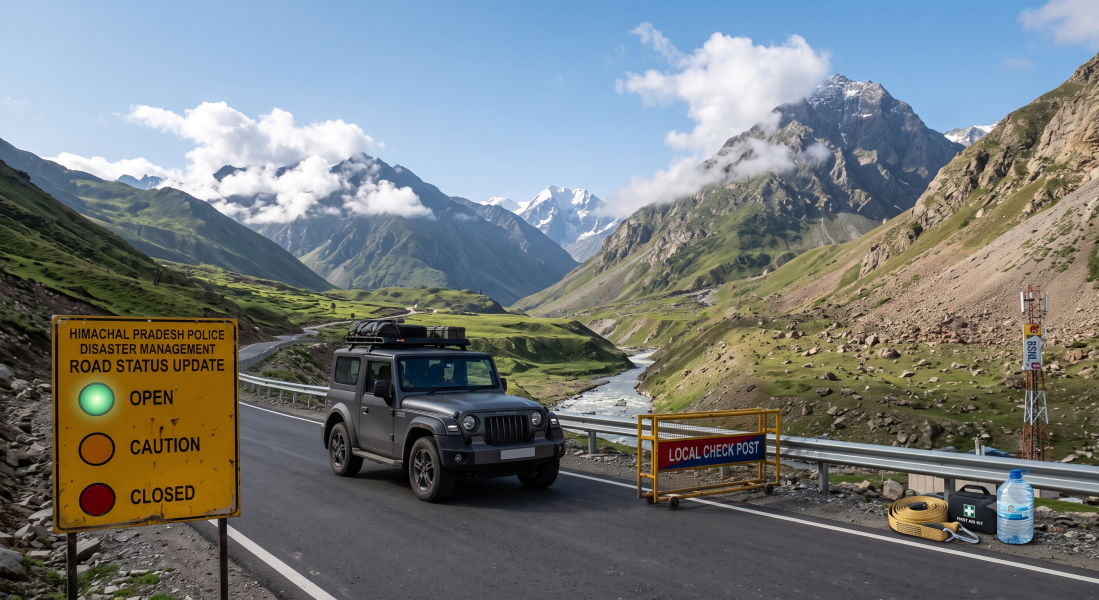
September in Himachal Pradesh marks the transition from peak monsoon downpours to crisp, blue post-monsoon skies. While late September offers some of the best visibility and lush green mountain landscapes of the year, early September still carries residual monsoon runoff, unstable hillside soil, and periodic landslide warnings.
Traveling safely during this window requires ditching rigid, jam-packed itineraries and understanding exactly where road hazards concentrate.
Early September vs. Late September: Understanding the Weather Window
The safety profile of Himachal changes week by week throughout September:
-
September 1 to September 10 (Late Monsoon Taper): Expect lingering showers, patchy fog at higher passes, and elevated landslide risks on heavily cut highway slopes. Saturated soil from July and August remains vulnerable even during light rain.
-
September 11 to September 20 (The Transition Window): Rain frequency drops substantially. Road clearance teams stabilize primary corridors, though occasional cloudbursts or localized roadblocks can still occur.
-
September 21 to September 30 (Autumn Onset): The safest travel window of the month. Clear skies dominate, temperatures dip pleasantly (15°C to 24°C in valley towns; dropping below 8°C at night at higher elevations), and high-altitude routes stabilize.
Pro-Tip: If your travel dates are flexible, target the third or fourth week of September. You get post-monsoon greenery without the constant weather-monitoring stress of early September.
Key Highway Conditions and Vulnerable Stretches
| Highway / Route | Risk Points & Terrain Issues | Safety Status (Sept) | Best Alternative / Practical Tip |
| NH-5: Chandigarh – Solan – Shimla | Landslide zones around Parwanoo, Chakki Mor, and Solan bypass. | Generally open; subject to single-lane bottlenecks during clearance. | Travel strictly during daylight (7:00 AM – 3:00 PM). Avoid night drives. |
| NH-21: Kiratpur – Mandi – Kullu – Manali | Sinking zones and rockfall risk along the Beas river basin between Pandoh and Aut tunnel. | High caution in early Sept; stabilizes mid-to-late month. | Monitor NHAI road status updates before leaving Mandi town. |
| Kangra Valley: Pathankot – Dharamshala – Bir | Minor landslides near Kotwali Bazaar; periodic road widening delays. | Moderate risk; accessible with normal precautions. | Stick to main state highways; avoid unpaved rural cut-throughs in heavy rain. |
| Kinnaur & Spiti: Shimla – Reckong Peo – Kaza | Shooting stones near Nigulsari, Malling Nallah, and the Kinnaur gate. | High clearance required; active stone-fall risks. | Hire experienced local mountain drivers; avoid self-driving low-clearance hatchbacks. |
5 Essential Rules for Staying Safe on the Road
1. Never Drive in the Dark
Hill driving in early autumn demands full visual awareness of falling rocks (shooting stones), road sinkages, and dense valley mist. Conclude all highway driving by 4:30 PM.
2. Follow Official Alerts Over Social Media
Rely directly on bulletins issued by the Shimla Meteorological Centre (IMD) and district police handles (@ShimlaPolice, @KulluPolice, @LahaulSpitiPolice on X/Twitter). Never trust crowd-sourced driving shortcuts from map apps when a main arterial highway is barricaded.
3. Build a 24-Hour Buffer Day
Never book non-refundable same-day flight connections out of Chandigarh (IXC) or Delhi (DEL) right after descending from Manali, Dharamshala, or Spiti. A single cleared boulder or broken retaining wall can delay highway traffic by 4 to 8 hours.
4. Keep a Dedicated BSNL / Jio Connection
While Airtel works well in central valley towns like Shimla, Manali, and Dharamshala, Jio and BSNL retain the most consistent voice and SMS coverage when stranded in remote transit belts like Kinnaur, Lahaul, and interior Mandi.
5. Carry Basic Emergency Transit Supplies
Keep the following in your vehicle cabin (not buried in trunk luggage):
-
3–4 liters of drinking water per person
-
High-protein snacks (nuts, dates, energy bars)
-
Fully charged 20,000 mAh power bank
-
Basic first-aid kit containing ORS, motion sickness pills (Domperidone/Avomine), and pain relievers
-
Cash (₹3,000–₹5,000 in small denominations), as ATMs and UPI terminals fail when power cuts strike during heavy rain.
Safe Destination Choices for September 2026
-
Lower & Middle Kangra Valley (Dharamshala, McLeod Ganj, Palampur): Easily reachable via Gaggal Airport (DHM) or Pathankot, bypassing the most landslide-prone multi-day mountain passes.
-
Tirthan & Jibhi Valleys (Late September): Excellent for calm nature walks and homestays once the initial September rains clear the Aut tunnel route.
-
Lahaul Valley (via Atal Tunnel): Once you cross through Atal Tunnel north of Manali, you enter a rain-shadow region with significantly drier roads, clear visibility, and crisp pre-winter conditions.
Frequently Asked Questions
Is it safe to visit Manali and Shimla in early September?
Early September is manageable if you monitor daily IMD alerts and road status updates from local police. However, expect occasional roadblocks due to ongoing slope stabilization and debris clearance along NH-5 and NH-21.
Can I drive my own car to Himachal in September?
High-ground-clearance vehicles (SUVs/Crossovers) are suitable for mid-to-late September. For low-clearance hatchbacks, sedan self-drives, or high-altitude circuits like Spiti and Kinnaur, hiring an experienced local commercial driver is significantly safer.
Are riverbeds and trekking routes open in September?
Valley day treks and lower forest walks generally reopen by mid-September. Avoid camping near riverbanks (especially along the Beas, Sutlej, and Parvati rivers) or crossing roaring seasonal nallahs, as water release from upstream dams and localized mountain runoff remain unpredictable.
What clothes should I pack for Himachal in September?
Pack lightweight layers for daytime temperatures (20°C to 26°C), a reliable waterproof windbreaker/rain jacket, sturdy water-resistant hiking shoes with grip, and a fleece or light down jacket for evenings (temperatures can drop to 10°C–14°C in mid-altitude towns).
How do I check if a mountain highway is closed before traveling?
Check updates posted by the Himachal Pradesh Police district pages on social media, contact your hotel or homestay host for ground reports before departing the previous town, or call the state disaster helpline (1070 / 1077).