3 Kinnauri Festivals for 2026 - Dates and locations
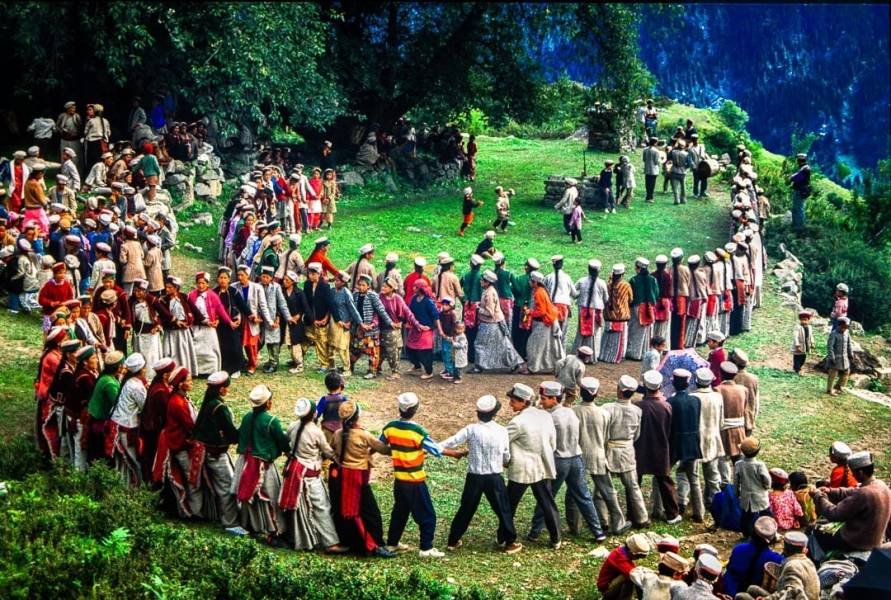
If you think a Himalayan festival is just a photo-op with some colorful masks, Kinnaur is going to humble you. In the Baspa Valley, the festival of Phulaich—locally called Ukyang (meaning "Flower")—is a visceral, ancestral mandate. It is the moment when the "doors of the heavens" are said to open, and wild alpine flowers are brought down from the peaks to bridge the gap between the living, the dead, and the divine.
In 2026, the festival cycle will follow the rhythm of the lunar calendar, specifically centering around the 16th day of the Hindu month of Bhadrapada. While dates shift village-to-village based on local oracles, the core window for the Baspa Valley is September 15th to 25th, 2026.
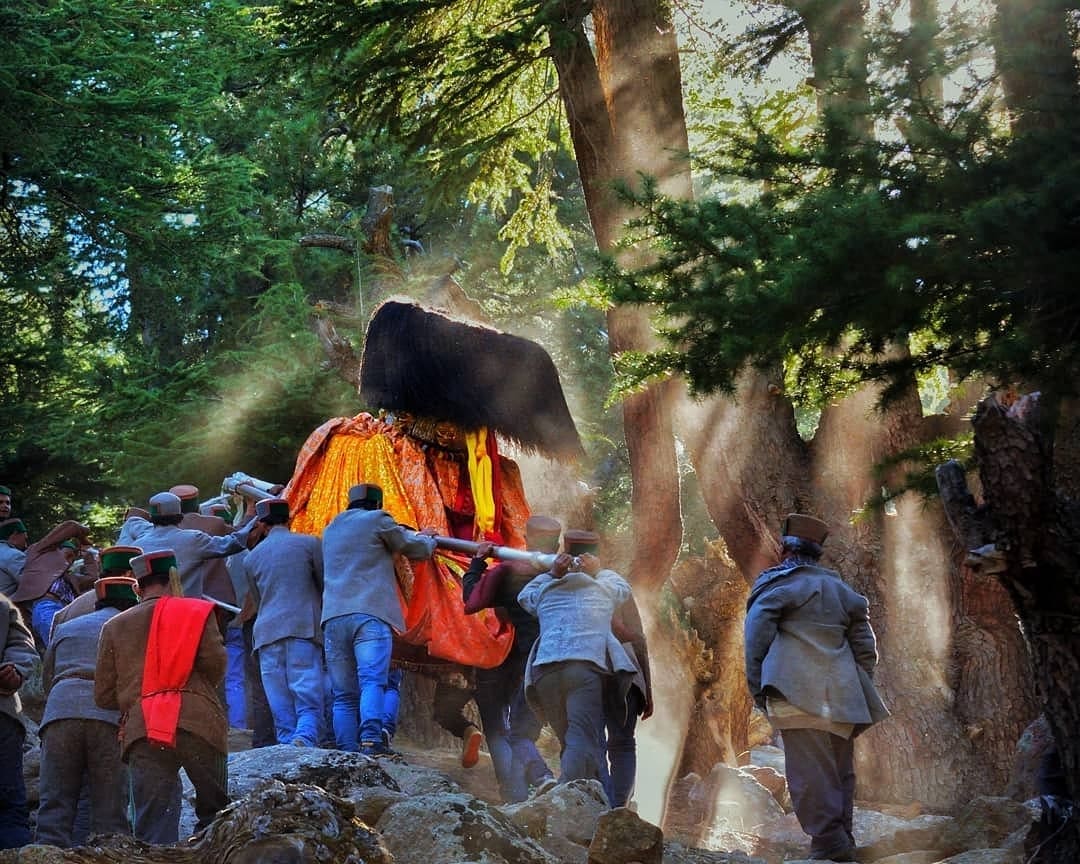
3 Pivotal Phulaich Celebrations in the Baspa Valley (2026)
Phulaich is not a singular event; it moves like a slow-motion wave across the district. Here is where the 2026 energy will be most concentrated in the Baspa region.
1. The Sangla Gathering (Estimated: September 16–18, 2026)
As the largest hub in the valley, Sangla’s Ukyang is a masterclass in tribal coordination.
-
The Ritual: Selected men from the village—often chosen for their physical stamina and spiritual purity—trek to the high-altitude ridges (14,000 ft+) to collect the Brahmakamal and other rare wildflowers.
-
The Sighting: On their return, the village erupts. The flowers are offered to the deity Bering Nag, followed by the Shand and Kayang—traditional circular dances that can last for hours.
-
Location: Bering Nag Temple grounds, Sangla.
2. The Kamru Fort Procession (Estimated: September 19–21, 2026)
Kamru is the historical soul of the valley. The festival here feels more like a royal court ceremony than a village fair.
-
The Ritual: The focus here is the deity Kamakhya Devi. The procession involves bringing the deity out of the ancient fort-style temple.
-
The "Specifics": This is where the Thepang (Kinnauri cap) etiquette is most strictly enforced. In 2026, if you are in the courtyard when the oracle enters a trance to predict the year’s harvest, being bareheaded isn't just a faux pas—it’s an exclusion.
-
Location: Kamru Village (upper Sangla).
3. The Chitkul Finale (Estimated: September 23–25, 2026)
Chitkul, the last village before the border, holds a Phulaich that feels wilder and more isolated.
-
The Ritual: Because of its height, the flowers here are often fresher, and the bond with nature is more evident. The rituals at the Mathi Devi Temple involve complex animal-mimicking dances and the communal sharing of Chhang (local millet beer).
-
The Evidence: Look for the "flower-banners" draped over the temple entrance. These are dried and kept as a protective charm for the village through the harsh winter.
-
Location: Mathi Devi Temple, Chitkul.
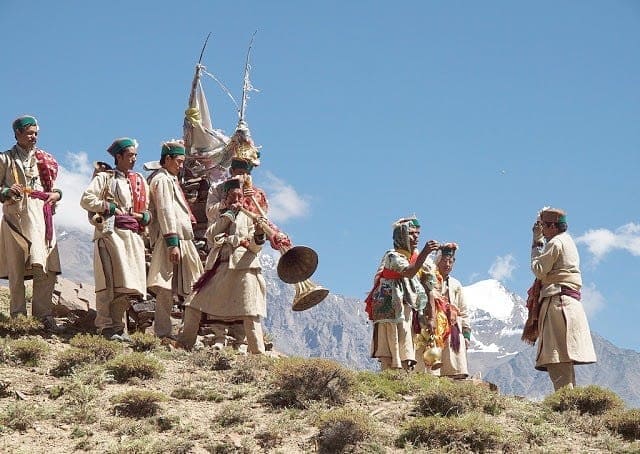
The "Green-Banded" Mandate: Temple Etiquette
In Kinnaur, the Green-Banded Kinnauri Cap is your passport. While you’ll see red-banded caps in Shimla or Kullu, the velvet green band is the specific identity of the Kinnauri people.
Why it matters in 2026: With increasing tourism, village councils (Panchayats) have become more protective of their sacred spaces.
-
Head Covering: It is mandatory for men to wear the Thepang inside temple courtyards during Phulaich. It signifies respect to the Devta (deity).
-
The Leather Rule: This is non-negotiable. Before stepping into the stone-paved areas of the Kamru or Kalpa temples, ensure your leather belts, wallets, and camera straps are removed. In Kinnauri belief, leather is an "impure" animal product that offends the mountain spirits.
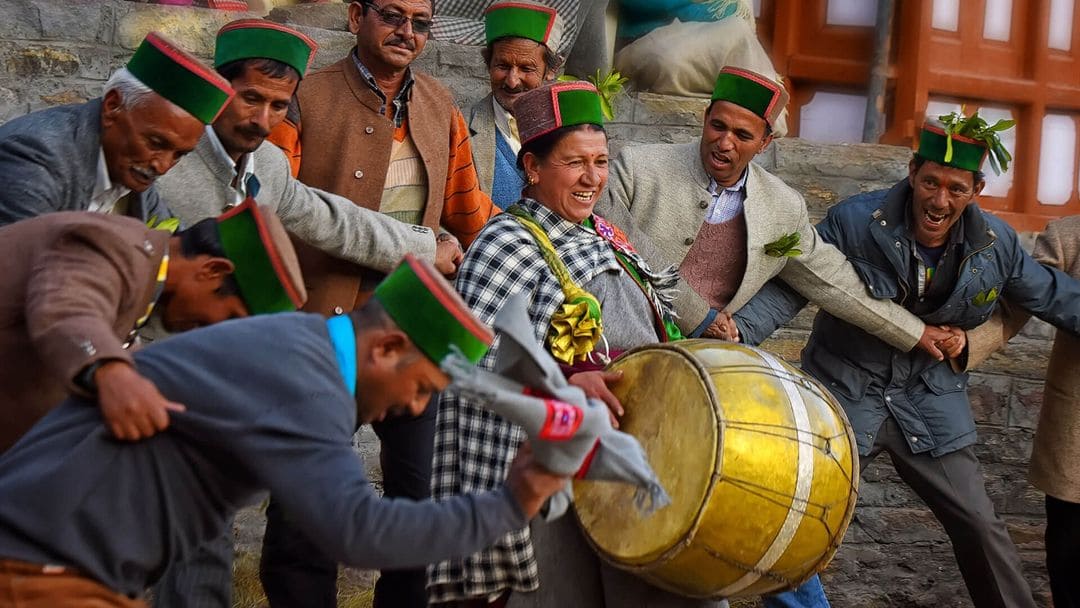
The Counter-Intuitive Truth: It’s Not a Flower Show
Many travel guides describe Phulaich as a "Flower Festival." That’s a superficial half-truth.
The Common Misconception: "It’s a celebration of Spring/Nature." The Reality: It is a funeral rite. Phulaich is deeply tied to Ladain—the remembrance of those who passed away during the year. The flowers are a medium of communication with the souls of ancestors. When you see the villagers dancing, they aren't just celebrating a season; they are dancing for the spirits they believe are present in the courtyard.
The "So What?" Factor
Why does this matter to you? Because in a world of commercialized "festivals," Phulaich 2026 remains a localized, shamanic event. If you arrive with a "spectator" mindset, you’ll miss the point. If you arrive with a green-banded cap and a silent respect for the ancestral rituals, you might just witness the rawest form of Himalayan spirituality left on the map.