The Wild, Unfiltered Road Trip Through Tirthan, Jibhi, and Kinnaur
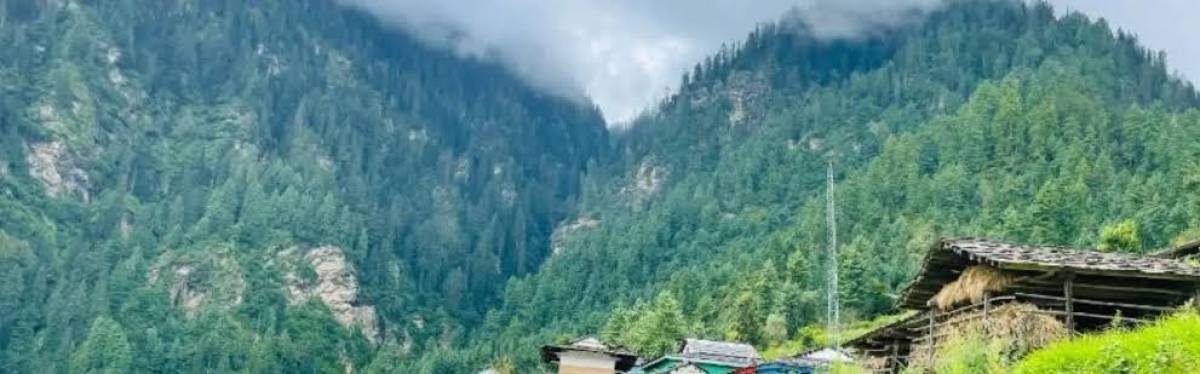
If your idea of a mountain getaway involves overpriced cafes, traffic jams on ridge roads, and fighting for a parking spot, turn back now. This isn't that kind of itinerary.
When you bundle Tirthan Valley, Jibhi, and Kinnaur into a single overland trek, you leave the polished hill-station bubble behind. You trade paved boulevards for overhanging granite cliffs, gentle pine breezes for the roar of the Sutlej, and quick weekend jaunts for an edge-of-the-world road trip.
Here is how to tackle this raw, high-altitude circuit with your wits, your vehicle, and your sense of adventure intact.
Quick Breakdown
-
The Vibe: Off-grid, adventurous, and visually dramatic.
-
Drive Difficulty: Moderate in Jibhi/Tirthan; intense and technical once you hit the Taranda Dhank cliff-cuts on the Kinnaur highway.
-
Cultural Fusion: A seamless transition from the Devbhumi (Land of Gods) temple traditions of Kullu to the mixed Hindu-Buddhist border culture of upper Kinnaur.
-
Must-Have Mindset: Patience. Landslides and narrow single-lane mountain passes mean your schedule is ultimately set by the terrain.
Part 1: Slipping into the Slow Lane (Jibhi & Tirthan Valley)
Before the landscape turns into vertical granite, you start in the shadow of the Jalori Pass.
Jibhi: Cedar Cabins and Alpine Streams
Jibhi feels like a secret the rest of the state hasn't quite commodified yet. Tucked inside the Banjar Valley, life here revolves around wooden architecture, cold mountain streams, and thick cedar forests.
-
The Jalori Challenge: If you're driving, the ascent to Jalori Pass (3,120 meters) will test your clutch control. The gradients are steep, narrow, and unforgiving.
-
The Payoff: A 5-kilometer hike from the pass brings you to Serolsar Lake, a tranquil body of water hidden among oak trees, revered by local villagers for its purity.
Tirthan: The Edge of Wilderness
Just over the ridge lies Tirthan Valley, where the Tirthan River rushes down from the pristine heights of the Great Himalayan National Park (GHNP).
Unlike commercial hubs, Tirthan’s eco-zone encourages slow movement. The core area of the park is strictly protected—no vehicles, no permanent structures, and no paved roads. To experience it, you put on hiking boots and cross wooden suspension bridges into villages where traditions haven't shifted for centuries.
Part 2: Into the Deep Gorges (The Kinnaur Highway)
Leaving Tirthan behind, you merge onto the legendary Hindustan-Tibet Road (NH-22). The transition isn't subtle; it's immediate and dramatic.
[ Kullu Valley ]  --->  [ Rampur ]  --->  [ Kinnaur Gate ]  --->  [ Sangla / Kalpa ]

  Lush Greenery          River Valley        Carved Cliffs         Trans-Himalaya
The Thrill of the Highway
Kinnaur is famous for roads carved directly into vertical mountain walls. As you pass through the iconic "Kinnaur Gate" near Taranda, the valley narrows into a deep gorge, with the Sutlej River raging hundreds of feet below. It is easily one of the most thrilling drives on the Indian subcontinent.
Hidden Corners of the Valley
-
Chitkul: The final inhabited village near the Indo-China border in the Sangla Valley. Sitting beside the turquoise Baspa River, it offers an incredible view of snow-capped peaks and vast potato fields.
-
Kalpa: Perched high above Reckong Peo, Kalpa offers a direct, uninterrupted view of the 6,050-meter Kinner Kailash peak. At sunset, the mountain face turns a fiery shade of crimson—a sight revered by locals and travelers alike.
Ground Rules for the Overland Traveler
| Topic | What You Need to Know |
| Best Vehicle Choice | High ground clearance is essential. A 4x4 isn't mandatory in dry months, but sturdy suspension and good brakes are non-negotiable. |
| Fuel Strategy | Fill up completely at Aut, Banjar, or Rampur. Fuel stations become sparse as you head deeper into the Sangla and Kalpa sectors. |
| Connectivity | Expect strong cellular connectivity in main towns, but data coverage drops significantly inside the deeper valleys and higher passes. |
Frequently Asked Questions (FAQ)
Q: Can I complete this road trip on a standard two-wheeler or hatchback?
A: Experienced riders frequently complete the circuit on motorcycles, but you need good riding gear and mechanical know-how. Hatchbacks can manage the main routes, but high ground clearance is strongly advised due to loose gravel, water crossings, and uneven terrain.
Q: What makes this route different from the standard Shimla-Manali tourist loop?
A: The terrain is vastly more rugged, the cultural experience leans heavily into traditional village life, and the density of commercial resorts is significantly lower. It offers a authentic, off-the-beaten-track Himalayan experience.
Q: Are there eco-friendly accommodation options along this circuit?
A: Yes. Both Tirthan and Kinnaur have robust networks of locally managed homestays, wooden eco-lodges, and family-run guesthouses that support the local economy directly.
Final Thoughts on Planning Your Route
Whether you are seeking the peaceful pine trails of Gushaini or the cliffside roads leading to Chitkul, carefully structuring your itinerary ensures you experience the best of these contrasting landscapes without feeling rushed. Taking the time to build proper rest days and buffer stops into your tirthan kinnaur jibhi trips gives you the space to absorb the culture, navigate high-altitude driving with ease, and truly appreciate this untouched corner of the Himalayas.
References & Authoritative Sources
-
Department of Tourism & Civil Aviation, Government of Himachal Pradesh: Official travel guidelines, district highlights, and route maps for Kinnaur and Kullu. (https://himachaltourism.gov.in)
-
District Administration of Kinnaur: Official Government Portal. Local travel alerts, road status, and administrative directories. (https://hpkinnaur.nic.in)
-
UNESCO World Heritage Centre: Great Himalayan National Park Conservation Area overview and biodiversity index. (https://himachaltourism.gov.in/destination/nature-parks/)