Is It Safe to Visit Dalhousie & Dharamshala in August? Routes, Weather, and Real Safety Data
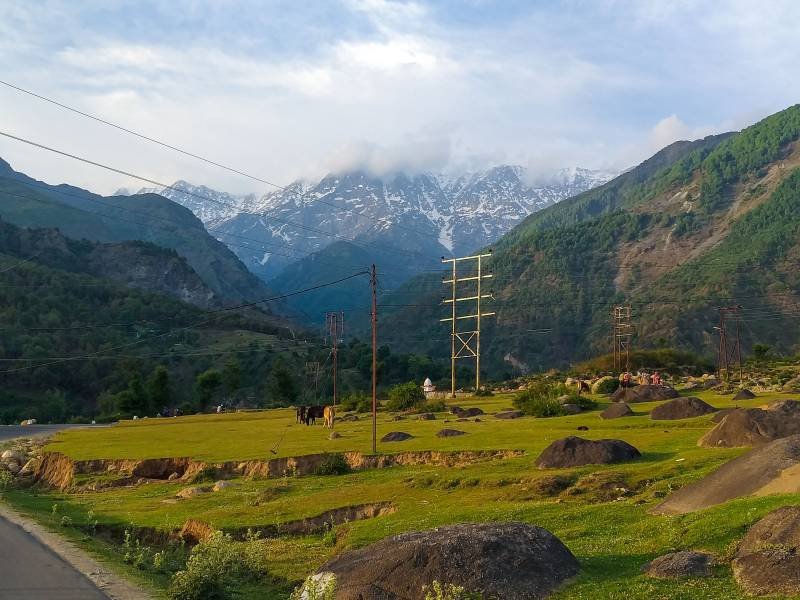
Every year, as the monsoon hits northern India, travelers face the same dilemma: is driving into the hills worth the risk, or are you heading straight into a mudslide highway closure?
If you are planning a Dalhousie & Dharamshala trip from Delhi , the short answer is yes, it is generally doable—but only if you understand the geography and drive with caution.
Unlike high-risk corridors like the NH-5 (Shimla–Kinnaur) or NH-3 (Mandi–Manali), the foothill routes leading to Dharamshala (Kangra district) and Dalhousie (Chamba district) benefit from lower altitude approaches and better alternative bypasses. However, August remains peak monsoon season in Western Himachal Pradesh.
Here is an honest breakdown of actual road conditions, historical landslide data from the past decade, route options, and practical safety guidelines.
📌 Executive Summary
-
Road Accessibility: The entry highways via Pathankot (NH-154) and Punjab plains are among the sturdiest in Himachal Pradesh. Landslides occur on interior link roads (like the Jot Pass or upper McLeodganj link), but main arterials clear quickly.
-
Weather Expectation: Dharamshala experiences heavy rainfall due to its position on the windward slope of the Dhauladhar range. Dalhousie is mist-wrapped with intermittent downpours.
-
Crowds & Costs: Tourist footfalls drop by 40% to 60%, offering lower hotel rates and empty walking trails.
-
Golden Rule: Drive strictly between 6:00 AM and 5:00 PM. Never cross mountain rivers or interior link roads during active heavy rainfall alerts issued by the India Meteorological Department (IMD).
1. August Weather: Rainfall Numbers & Microclimates
Understanding Himachal's monsoon requires looking at its microclimates. August brings heavy rainfall to the southern slopes of the Himalayas.
                 Dharamshala (Kangra District)
                 ~700–800 mm avg August rainfall
                 Heavy downpours, thick mist, lush green cover
                                |
                                | ~120 km (3.5 hrs via NH-154)
                                v
                   Dalhousie (Chamba District)
                 ~450–550 mm avg August rainfall
                 Cool temperates, dense pine forest fog, intermittent rain
-
Dharamshala & McLeodganj: Positioned directly on the outer Dhauladhar ridge, Dharamshala is one of the wettest spots in Himachal Pradesh, averaging over 700 mm of rain in August. Rain often comes in sudden, intense bursts lasting several hours, followed by dense clouds rolling through the pine forests.
-
Dalhousie & Khajjiar: Located higher up in Chamba district (~1,970 meters), Dalhousie receives moderate to heavy rain. However, its rocky foundation and well-drained slopes reduce standing water, though thick fog frequently drops visibility on the road to Khajjiar to less than 20 meters.
2. Historical Monsoon Safety: What the 10-Year Record Shows
When media outlets report "Himachal rains," they often blur the distinction between high-risk river valleys and foothill districts. Over the last decade (2014–2024), major monsoon disruptions in Himachal Pradesh have followed clear geographic patterns:
-
High-Risk Valleys (Beas & Sutlej Corridors): The Mandi-Kullu-Manali stretch (NH-3) and the Kinnaur highway (NH-5) suffer recurring river erosion, flash floods, and massive rockfalls due to steep, unstable cliffs.
-
Moderate-Risk Foothills (Kangra & Chamba Access): Dharamshala and Dalhousie are accessed via the Punjab plains through Pathankot or Gaggal. Because 80% of your driving occurs on flat or gently undulating highways before entering the hills, your exposure to vertical rockfall zones is significantly lower.
Historical emergency data from the Himachal Pradesh State Emergency Operations Centre (HP SEOC) shows that while heavy monsoons (such as the historic 2023 season) caused temporary closures on interior rural roads in Chamba and Kangra, the primary arterial highway—NH-154 (Pathankot to Gaggal/Dharamshala)—remained operational for most of the season, with temporary disruptions cleared by the Public Works Department (PWD) within 4 to 12 hours.
3. Planning Your Route: Delhi & Chandigarh Options
Option A: Dalhousie & Dharamshala Trip from Delhi (~560 km)
If driving from Delhi, your main highway is NH-44 through Ambala, Jalandhar, and Pathankot.

Pro Tip for Delhi Travelers: Take an early morning departure (around 3:00 AM) to clear Delhi-NCR and Punjab toll plazas early. This allows you to climb the hill stretch between Pathankot and Dharamshala or Dalhousie during full daylight.
Option B: Dalhousie & Dharamshala Trip from Chandigarh (~240–300 km)
From Chandigarh, you have two primary routes:
-
Route 1 (Recommended for Rains): Chandigarh → Rupnagar → Hoshiarpur → Pathankot → Dalhousie/Dharamshala.
-
Why: Keeps you on flat, well-maintained plain roads for 80% of the distance before making a short hill climb.
-
-
Route 2 (Scenic, Higher Risk): Chandigarh → Kiratpur → Una → Amb → Kangra → Dharamshala.
-
Why Caution Needed: Passes through seasonal rivulets (choes) in the Una/Amb belt that can swell rapidly during sudden cloudbursts.
-
4. Crowds, Pricing, and Sightseeing Realities
August is firmly off-season across Himachal Pradesh. Here is what to expect on the ground:
-
Tourist Footfalls: Expect 50% fewer tourists compared to June. Popular spots like the Dalai Lama Temple Complex in McLeodganj, St. John in the Wilderness, and Mall Road in Dalhousie can be explored without heavy traffic or shoulder-to-shoulder crowds.
-
Accommodation Discounts: Luxury resorts and boutique homestays in Dharamshala, Dharamkot, and Dalhousie routinely offer 30% to 50% off seasonal rates.
-
Activity Closures: High-altitude adventure activities are suspended for safety. Paragliding in Bir Billing is closed during the monsoon, and high-crest trekking routes like the Triund Trek are often restricted by district administration during active rain spells.
5. Non-Negotiable Monsoon Travel Rules
If you decide to travel in August, follow these safety protocols:
-
Strictly No Driving After Dark: Mountain fogs and heavy rains severely cut visibility at night. Boulders that fall on the road (shooting stones) are almost impossible to spot after dusk. Always reach your hotel before 5:30 PM.
-
Avoid Riverbeds and Waterfalls: Do not step into the Bhagsu Waterfall stream, Neugal Khad (Palampur), or the Ravi riverbed near Chamba. Upstream cloudbursts can cause sudden water surges in minutes.
-
Build Buffer Days: Always keep a 24-hour buffer in your itinerary in case a minor road closure delays your return train or flight from Pathankot / Gaggal / Chandigarh.
Frequently Asked Questions
Is the road from Pathankot to Dalhousie safe in August?
Yes, the Pathankot-Dalhousie road via Banikhet is one of the more stable hill routes in Himachal Pradesh. It is managed regularly by local road authorities. While minor landslides or falling debris can occur during heavy rainfall, repair crews usually restore traffic within a few hours.
Is paragliding at Bir Billing open during August?
No. Commercial paragliding at Bir Billing is officially banned by the Himachal Pradesh Tourism Development Corporation (HPTDC) throughout the monsoon season (typically from July 15 to September 15) for safety reasons.
What should I pack for a Dalhousie & Dharamshala trip in August?
Pack quick-dry synthetic clothing, high-traction waterproof trekking shoes, a heavy-duty raincoat or poncho, micro-fiber towels, waterproof dry-bags for electronics, and basic medicines for motion sickness and cold/fever.
References & Authoritative Sources
-
India Meteorological Department (IMD) – Regional Centre Shimla: mausam.imd.gov.in/shimla
-
Himachal Pradesh State Emergency Operations Centre (HP SEOC): hpsdma.nic.in
-
Himachal Pradesh Tourism Development Corporation (HPTDC): hptdc.in
-
Ministry of Road Transport and Highways (MoRTH) Highway Updates: morth.nic.in