Himachal Pradesh Monsoon Weather Guide: 2026 Edition
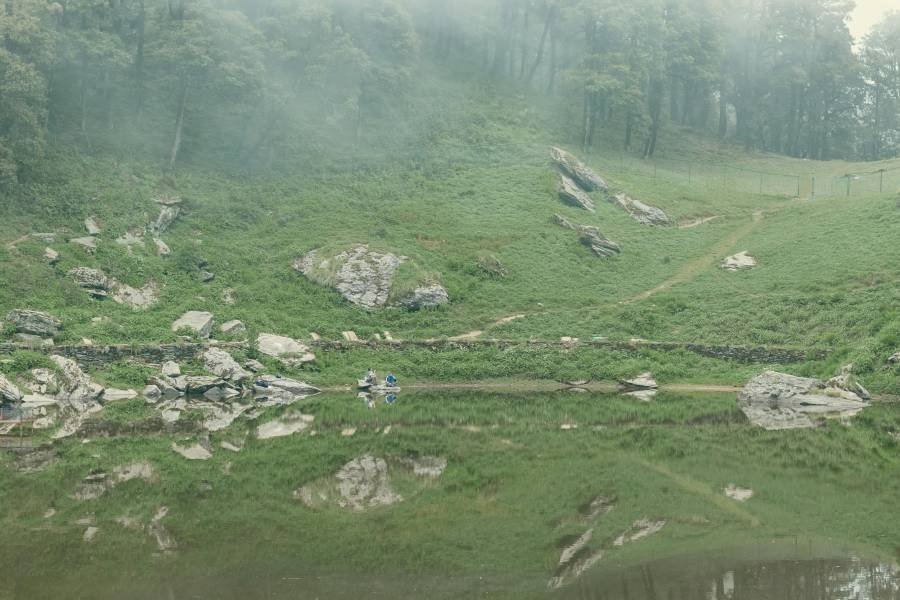
The monsoon season transforms the mountains of Himachal Pradesh into a lush, green paradise, but it also demands respect and careful navigation. Planning a trip or managing logistics in the hills during this period requires real data, not guesswork.
The India Meteorological Department (IMD) Shimla and the Himachal Pradesh State Disaster Management Authority (HPSDMA) have laid out the spatial variations and administrative guidelines for the 2026 Southwest Monsoon Season (June to September).
2026 Monsoon Core Forecast - The Big Picture
According to the official long-range forecast issued by the Meteorological Centre Shimla, the 2026 southwest monsoon across Himachal Pradesh as a whole is projected to be below normal, tracking at less than 92% of the Long Period Average (LPA) [1]. The standard historical normal for the state’s seasonal rainfall is 734.4 mm [1].
However, looking at a single state-wide average can be highly misleading. The mountain geography creates complex micro-climates, and this year’s data shows a sharp divergence between districts:
-
Deficit/Below-Normal Zones: Most low hills, plains, and central mid-hill districts (including major tourist corridors like Shimla, Kangra, Kullu, and Mandi) are anticipating weaker-than-usual monsoon activity [1].
-
Normal to Surplus Zones: In contrast, high-altitude regions are bucking the trend. Normal rainfall is projected for Kinnaur, while above-normal seasonal rainfall is predicted for the Lahaul-Spiti district and northern pockets of Chamba [1].
District-Wise Historical Normals
To put the "percentage of LPA" into perspective, the state uses these baseline historical rainfall metrics to gauge monsoon intensity and track deviations [1]:
Government Safety Measures & Logistics Actions
Even with a weaker overall monsoon forecast, the threat of sudden localized events like flash floods, cloudbursts, and landslides remains high. The Himachal Pradesh state government finalized its emergency framework during high-level monsoon preparedness reviews [2].
If you are navigating the state this season, take note of the explicit operational directives given to local authorities by the State Disaster Management Plan:
-
Remote Stockpiling: Essential food grains, rations, and emergency fuels are being aggressively stockpiled in areas prone to winter or rain-induced isolation, particularly across Lahaul-Spiti, Kinnaur, and upper Chamba [2].
-
Dam Release Protocols: Hydroelectric project managers and dam authorities are under strict mandates to follow advance warning protocols. They must give ample notice to downstream populations before releasing excess water from reservoirs into major river basins [2].
-
Vulnerability Mapping: District administrations have mapped highly vulnerable locations, focusing specifically on landslide-prone highway choke points, sinking retaining walls, and low-lying waterlogging zones [2][3].
Essential Traveler & Transit Guidelines
If you are planning to travel through the state or manage transit routes during the rainy season, use these practical safety steps aligned with state rescue and relief advice [3]:
References
-
India Meteorological Department (IMD). Long-Range Forecast for the Southwest Monsoon Season Rainfall over Himachal Pradesh. Meteorological Centre Shimla, Government of India. Available via IMD Shimla Portal.
-
Revenue and Disaster Management Department. Monsoon Preparedness and Disaster Risk Reduction Review. Government of Himachal Pradesh. Available via HPSDMA Portal.
-
District Administration Shimla. Public Safety Advisory and Vulnerability Mapping Regulations. Government of Himachal Pradesh. Available via Shimla District Portal.
Planning a smooth himachal pradesh trip from delhi requires moving past generic itineraries and looking closely at real-time meteorological data. While the capital transitions from intense summer heatwaves into early pre-monsoon showers, crossing the state borders into the Western Himalayas introduces complex, rapidly changing micro-climates. For travelers charting this specific route, understanding the stark contrast between the low plains and the high-altitude mountain passes is the first step to ensuring a safe, well-timed journey before ever leaving the National Capital Region.