Is It Safe to Visit Manali in August? Here Are Answers to All Your Questions
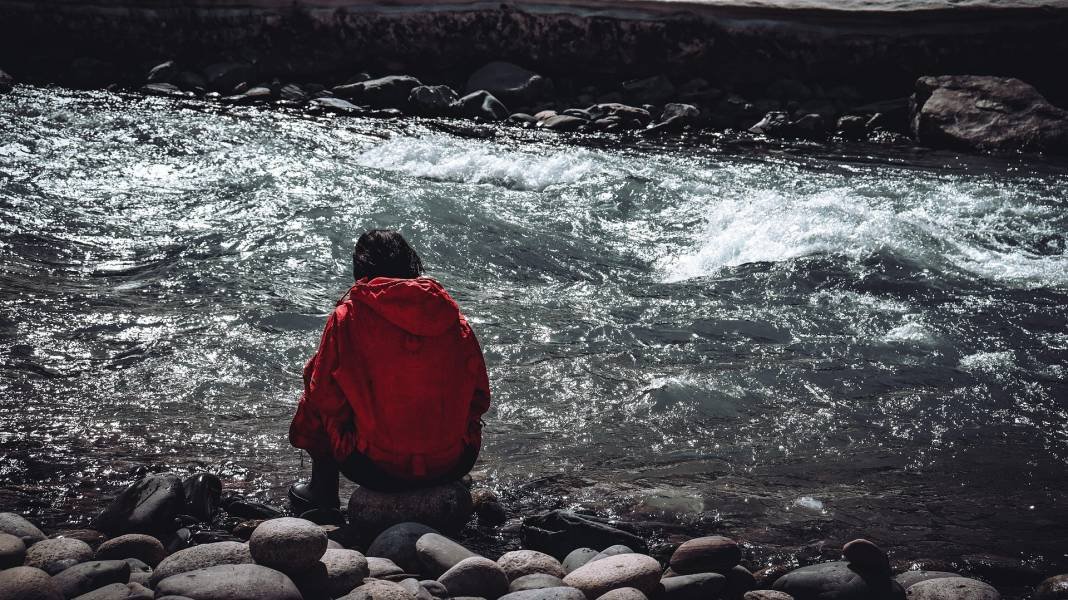
Few destinations capture the imagination like Manali with its pine-forested slopes, roaring rivers, and crisp mountain air. But when August rolls around, travelers face a glaring dilemma: is it a misty, budget-friendly paradise or a high-risk gamble during peak Himalayan monsoon?
Here is an honest, safety-first guide to visiting Manali in August, answering the exact questions travelers ask before packing their bags.
The Short Answer: Is It Safe?
The Verdict: It is a high-risk, high-reward proposition. Travel experts and locals generally advise against visiting Manali during August due to unpredictable monsoon weather, landslide-prone highways (specifically the Mandi–Aut–Pandoh stretch on NH-21), and flash flood risks along the Beas River.
However, if you are an experienced mountain traveler with a flexible schedule, buffer days, and a realistic mindset, August offers lush emerald landscapes, misty valley views, and off-season hotel discounts of 40–60%.
Weather & Conditions in August
| Metric | Average / Condition |
| Temperature Range | 15°C to 20°C (Pleasant, mild days; chilly nights) |
| Rainfall Level | Heavy / Active Monsoon (Peak monsoon alongside July) |
| Road Safety Status | High risk of temporary landslides on Chandigarh–Manali Highway |
| Crowd Density | Off-Season (Low crowds, peaceful cafes) |
| Hotel Rates | Highly discounted (Off-season pricing) |
Your Questions Answered (FAQ)
1. What are the biggest hazards of traveling to Manali in August?
The primary safety concerns stem from heavy, continuous rainfall destabilizing the steep Himalayan terrain:
-
Landslides & Rockfalls: Roadblocks are common along the Mandi–Pandoh sector. Clearance operations usually take anywhere from 2 to 12 hours depending on the damage.
-
Swollen Rivers: The Beas River flows at maximum capacity. Riverside camping and venturing near water banks are strictly dangerous.
-
Power & Network Cuts: Heavy downpours occasionally disrupt power lines and mobile network towers in remote pockets.
2. Can I do adventure activities like rafting, paragliding, or trekking?
No. Most high-risk adventure sports in Kullu-Manali—including river rafting, paragliding in Solang Valley, and high-altitude trekking—are suspended or banned during peak monsoon months by local district authorities for safety reasons. Stick to sightseeing in safe, well-connected areas like Old Manali, Mall Road, and nearby temples.
3. Is Rohtang Pass or Solang Valley open in August?
Solang Valley remains accessible via road, though activity centers are restricted during active downpours. Rohtang Pass requires an online permit, but travel up to the pass during heavy rain spells can be hazardous due to slippery mountain roads, fog, and mudslides. Always confirm road status with local taxi operators in Manali town before booking a permit.
4. How should I travel to Manali if I decide to go?
If you choose to visit during August, follow these transport safety guidelines:
-
Avoid Self-Driving: Mountain roads in heavy rain demand expert local intuition. Hire experienced Himachali drivers who know alternate routes and signs of land instability.
-
Prefer Heavy Vehicles: Large Volvo buses or sturdy commercial SUVs handle rough patches better than small private cars.
-
No Night Driving: Never travel mountain highways after dark during the monsoon. Landslides and falling boulders are impossible to spot at night.
5 Golden Rules for Safe August Travel in Manali
If you decide to make the journey, protect your itinerary with these essential practices:
-
Keep 2 Buffer Days: Never plan tight flights or train connections back home right after your trip. Highway delays can easily push your return by 24–48 hours.
-
Monitor Live Weather & Traffic Bulletins: Check updates from the India Meteorological Department (IMD) and official police social channels (such as Mandi Police) for real-time highway clearance updates.
-
Stay Away from Water Bodies: Do not trek down to riverbanks or take photos near fast-flowing streams.
-
Pack Power Banks & Emergency Essentials: Carry high-capacity power banks, waterproof jackets, reliable rain gear, basic medical kits, and extra cash (since ATMs may lose network).
-
Choose Well-Connected Stays: Book accommodation in central Manali or Old Manali with good infrastructure rather than remote, isolated ridge stays.
Ultimately, deciding whether to visit Manali in August comes down to your tolerance for unpredictable mountain weather and travel delays. If you're looking for a quick, tightly scheduled weekend away, the monsoon hazards make it a risky choice. However, if you have a flexible timeline, buffer days, and a spirit for adventure, planning a Manali trip from Delhi during the off-season reveals a quiet, lush, and incredibly peaceful side of the valley that most tourists never get to see. Just remember to check live highway conditions, hire experienced local drivers, and let nature set the pace of your journey.