Safe to Visit Kinnaur in July? Here are Answers to All Your Questions
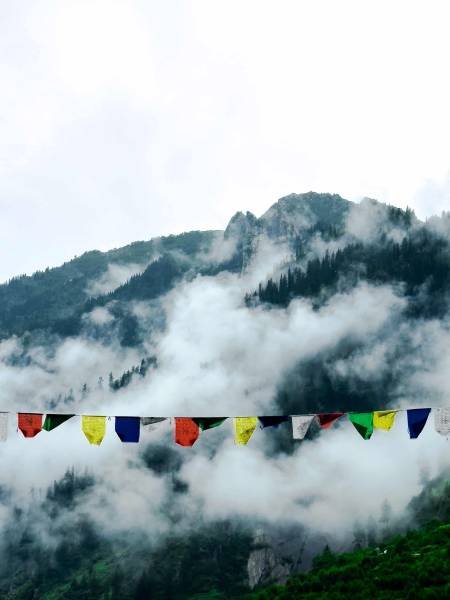
Most travel brochures paint Kinnaur in July as a lush, green mountain paradise. While the valleys do turn an incredible neon green and the apple orchards are heavy with young fruit, the raw reality of the Himalayas demands a serious fact-check. July marks the official arrival of the Southwest Monsoon in Himachal Pradesh, and that shifts the entire travel dynamic from a casual road trip to an exercise in extreme caution.
If you are planning to head up toward Reckong Peo, Kalpa, Sangla, or Chitkul this month, you need real-time data from official sources—not outdated travel forums. Let's break down exactly what is happening on the ground right now.
1. The Current Weather & Travel Situation
The Southwest Monsoon officially covered the entirety of Himachal Pradesh at the very beginning of July. Since then, weather patterns have been highly active.
-
Official Warnings: The India Meteorological Department (IMD) Meteorological Centre in Shimla has placed Kinnaur under active weather advisories, warning of persistent rainfall and severe risks of localized landslides and mudslides in vulnerable hilly terrains.
-
The On-Ground Impact: Due to heavy rain spells, flash floods have already caused sudden blockages on National Highway 5 (NH-5)—the primary lifeline connecting Kinnaur with Shimla and the rest of the state. While emergency response teams and the Public Works Department work on a war footing to clear debris, intermittent closures are common.
Official Administration Stance: The Superintendent of Police (SP) for Kinnaur, Sushil Kumar, has explicitly issued a public appeal urging tourists and commuters to avoid unnecessary travel into the district during active downpours, stay completely away from rivers or nullahs (streams), and monitor live updates before moving.
2. Key Travel Questions Answered
Can I access Chitkul and the Sangla Valley?
Technically, the roads are open, but they are highly volatile. The stretches connecting Kharcham to Sangla and onwards to Chitkul are notoriously prone to shooting stones and minor mud slips during active rain spells. If a heavy downpour occurs overnight, expect to be stranded for a few hours while heavy machinery clears the route.
Is the Kinnaur Kailash Yatra operating?
No. If your primary reason to visit Kinnaur in July was the pilgrimage, you must put your plans on hold. The District Administration of Kinnaur issued a strict public notice postponing the Kinnaur Kailash Yatra until further orders. A special reconnaissance team flagged serious natural hazards along the route, including unstable glaciers, loose boulders, and high risk of debris fall. Going anywhere near the route is strictly forbidden for public safety.
What are the main transport risks?
-
Low Driving Visibility: Fog drops incredibly fast over high-altitude curves, wiping out road visibility within minutes.
-
Slippery Roads & Skidding: The mixture of wet mud, mountain streams cutting across roads, and fresh debris makes the tarmac treacherous.
-
Flash Floods: High-altitude streams can swell from a trickle to a roaring torrent in less than an hour during localized heavy cloudbursts.
3. The Verdict: Should You Go?
If you are looking for a relaxing, predictable holiday where you can check off sightseeing spots on a tight schedule, July is not the month to visit Kinnaur. The risk of being stuck behind a landslide block or facing sudden route diversions is simply too high.
However, if you are an experienced mountain traveler with a flexible itinerary, multiple buffer days, a high-ground-clearance vehicle, and the patience to sit out a rainstorm inside your hotel room in Kalpa, the sheer dramatic beauty of the monsoon-washed mountains is unmatched.
4. Crucial Safety Rules if You Choose to Go
-
Zero Night Driving: Never drive through mountain corridors after dark. Landslides and shooting stones are impossible to spot at night, and rescue operations generally pause until sunrise.
-
Track the IMD Bulletins: Check the daily impact-based forecasts from Met Centre Shimla before planning your morning transit.
-
Keep Buffer Days: Never book a flight or train back from Delhi close to your mountain departure date. Always assume you might get delayed by 24 to 48 hours on the road.
For a journey as challenging and remote as a Kinnaur trip from Delhi, the logistical complexity is far higher than a standard weekend getaway. Mountains in the monsoon are unpredictable; roads can be compromised by debris or sudden weather shifts, and high-altitude terrain requires specialized local knowledge that generic travel portals often lack.
To ensure your journey is not just successful but safe, you should seriously consider booking with a travel company based directly in Himachal Pradesh. Local operators are not merely logistics providers; they are on-ground experts who possess "insider secrets" regarding the best transit windows, seasonal shortcuts, and real-time road conditions that updates from afar might miss.
Official Government Sources
-
Monsoon Progress & Weather Advisories: India Meteorological Department - Meteorological Centre, Shimla
-
Kinnaur Kailash Yatra Postponement Notice: District Administration Kinnaur - Official Government Portal
-
General Tourist Guidelines & Permits: District Administration Kinnaur - Tourism Guide