Best Spiti Valley Package in October
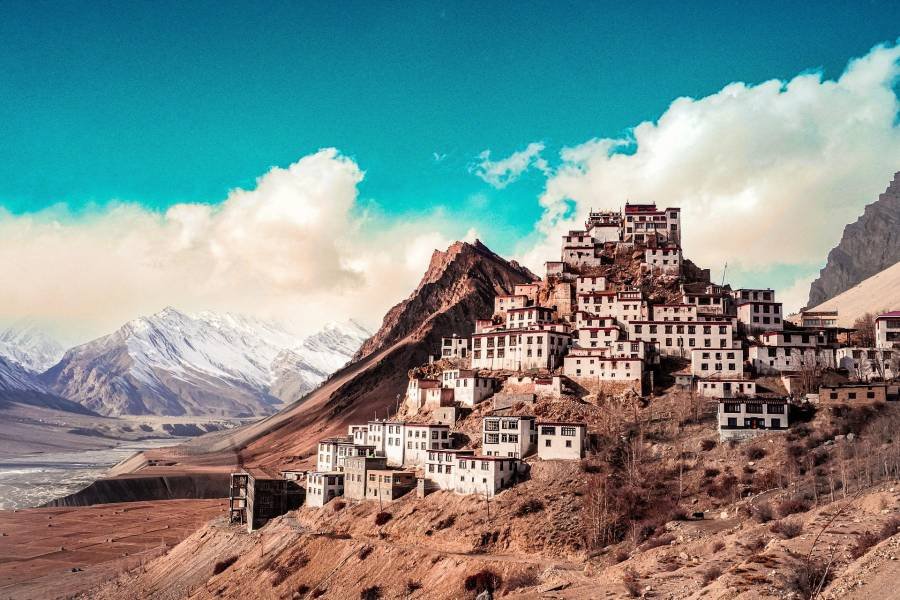
October transforms Spiti Valley into a quiet, sunlit mountain desert. The monsoon season is long gone, the heavy summer crowds have departed, and the landscape turns into shades of gold and amber.
Planning a mountain getaway at this time of year requires careful preparation. Whether you are taking time off from your corporate job, coordinating a road trip with college friends, or traveling with family, booking the right Spiti Valley Package in October ensures you experience the best of the high Himalayas safely before winter sets in.

Why Is October a Great Month to Visit Spiti Valley?
October gives you the purest high-altitude experience without the commercial rush of peak summer.
-
Clear, Dry Weather: Cloud cover is minimal, offering deep blue skies during the day and crisp views of snow-dusted ridges.
-
Golden Autumn Tones: Poplar and willow trees turn vibrant yellow along the riverbeds, creating sharp contrasts against the brown rock faces.
-
Peaceful Monasteries: Key, Tabo, and Dhankar monasteries see fewer tourists, allowing visitors to experience daily chants and explore ancient artwork quietly.
-
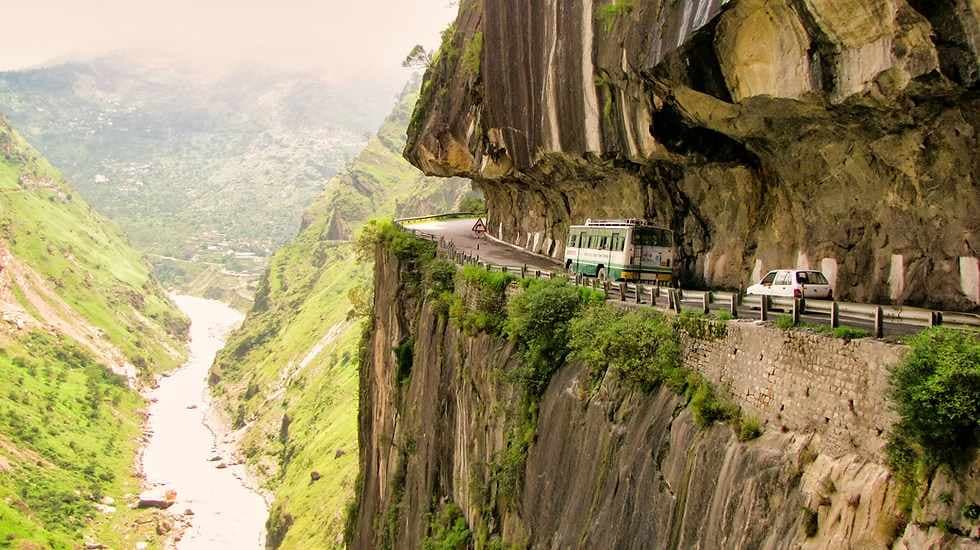
Stable Road Conditions: Monsoon hazards on National Highway 5 through Kinnaur recede, making the road surfaces drier and easier to navigate.
What Kind of Temperatures Should You Expect in October?
Spiti sits at an average elevation above 3,300 meters, which means temperatures drop sharply as soon as the sun dips below the horizon.
-
Daytime: Sunny and crisp, generally ranging between 5°C and 15°C. Light woolens and sunglasses are ideal when walking around outside.
-
Nighttime: Sub-zero conditions take over quickly. Expect temperatures to fall between -2°C and -8°C in Kaza, dropping even lower in higher villages like Kibber, Hikkim, and Mudh.
-
Late October Shift: By the end of the third week, overnight frosts are routine, and high passes like Kunzum Pass can receive early dustings of snow.
Thermal innerwear, a fleece mid-layer, and a reliable windproof down jacket are non-negotiable items for your day pack.

Which Route Should You Take - Shimla or Manali?
Your choice of route affects both your physical comfort and your overall itinerary safety.
Why Is the Shimla–Kinnaur Route Ideal for Families and Working Professionals?
The route via Shimla and Reckong Peo climbs gradually into the high mountains:
-
Shimla (approx. 2,200 m)
-
Kalpa or Sangla (approx. 2,700–2,900 m)
-
Tabo (approx. 3,280 m)
-
Kaza (approx. 3,800 m)
This steady elevation gain helps prevent acute mountain sickness (AMS). It gives your body time to adapt naturally over 3 to 4 days. Because this road stays open far longer into late autumn, it is the safest option for working professionals and families with strict return dates.
When Can You Use the Manali–Kaza Route?
The Manali route via the Atal Tunnel and Kunzum Pass cuts travel time significantly. However, Kunzum Pass sits above 4,550 meters. The Border Roads Organisation and local district administration often manage seasonal traffic advisories here starting in October.
If you plan to enter or exit via Manali, travel during the first half of October and check local road advisories before heading out.
Which Tour Package Matches Your Travel Style?
Every group moves at a different rhythm. Here are three distinct packages designed to fit specific schedules and travel needs:
1. Best for College Groups and Adventure Seekers - Manali–Kaza–Spiti Adventure
If your group has limited days and wants an active, high-energy mountain circuit, this route covers key valley highlights efficiently.
-
Duration: 5 Nights / 6 Days
-
Highlights: Atal Tunnel, high-altitude transit, Key Monastery, Kibber, and Chicham Bridge.
-
Timing: Recommended during the first half of October.
-
View details: Manali–Kaza–Spiti Adventure – 5 Nights / 6 Days
2. Best for Corporate Professionals and Fast-Paced Explorers - Spiti Valley Discovery Tour
Designed for travelers who want to disconnect from work screens without spending two full weeks on the road, this itinerary covers essential cultural and historical sites.
-
Duration: 5 Nights / 6 Days
-
Highlights: Ancient mud walls of Tabo Monastery, Dhankar fort ruins, Hikkim village, and local homestays.
-
View details: Spiti Valley Discovery Tour – 5 Nights / 6 Days
3. Best for Families and Complete Circuit Travelers - Delhi to Kinnaur–Spiti Valley Tour
This complete loop provides a gradual climb, comfortable stays, and scenic cultural stops along the way.
-
Duration: 11 Nights / 12 Days
-
Highlights: Apple orchards of Sangla and Kalpa, Chitkul (the last village on the old trade route), Nako Lake, Pin Valley, and Kaza.
-
View details: Delhi to Kinnaur–Spiti Valley Tour – 11 Nights / 12 Days
What Should You Pack for an Autumn Trip to Spiti?
Because services wind down toward late autumn, packing the right supplies keeps your trip hassle-free:
-
Layered Clothing: Two sets of thermal base layers, a warm fleece, heavy woolen socks, and an insulated down jacket.
-
Sun Protection: The thin atmosphere at high altitudes intensifies sun exposure. Carry sunglasses, a wide-brim hat, and broad-spectrum sunscreen.
-
Cash Backup: ATMs in Kaza, Reckong Peo, and Pooh often run out of cash or experience power cuts. Carry adequate paper cash from Shimla or Manali.
-
Hydration and Meds: High altitudes cause rapid dehydration. Keep an insulated water bottle handy, drink warm water frequently, and consult your doctor about preventative medication for AMS before departure.
Frequently Asked Questions
Do Indian citizens need permits to travel to Spiti Valley in October?
Indian citizens do not need an Inner Line Permit to visit Spiti Valley. You only need valid government identity cards (such as Aadhaar or voter ID) and standard vehicle papers. Foreign nationals do require an Inner Line Permit to travel through the Kinnaur-Spiti stretch past Reckong Peo.
Are campsites at Chandratal Lake open throughout October?
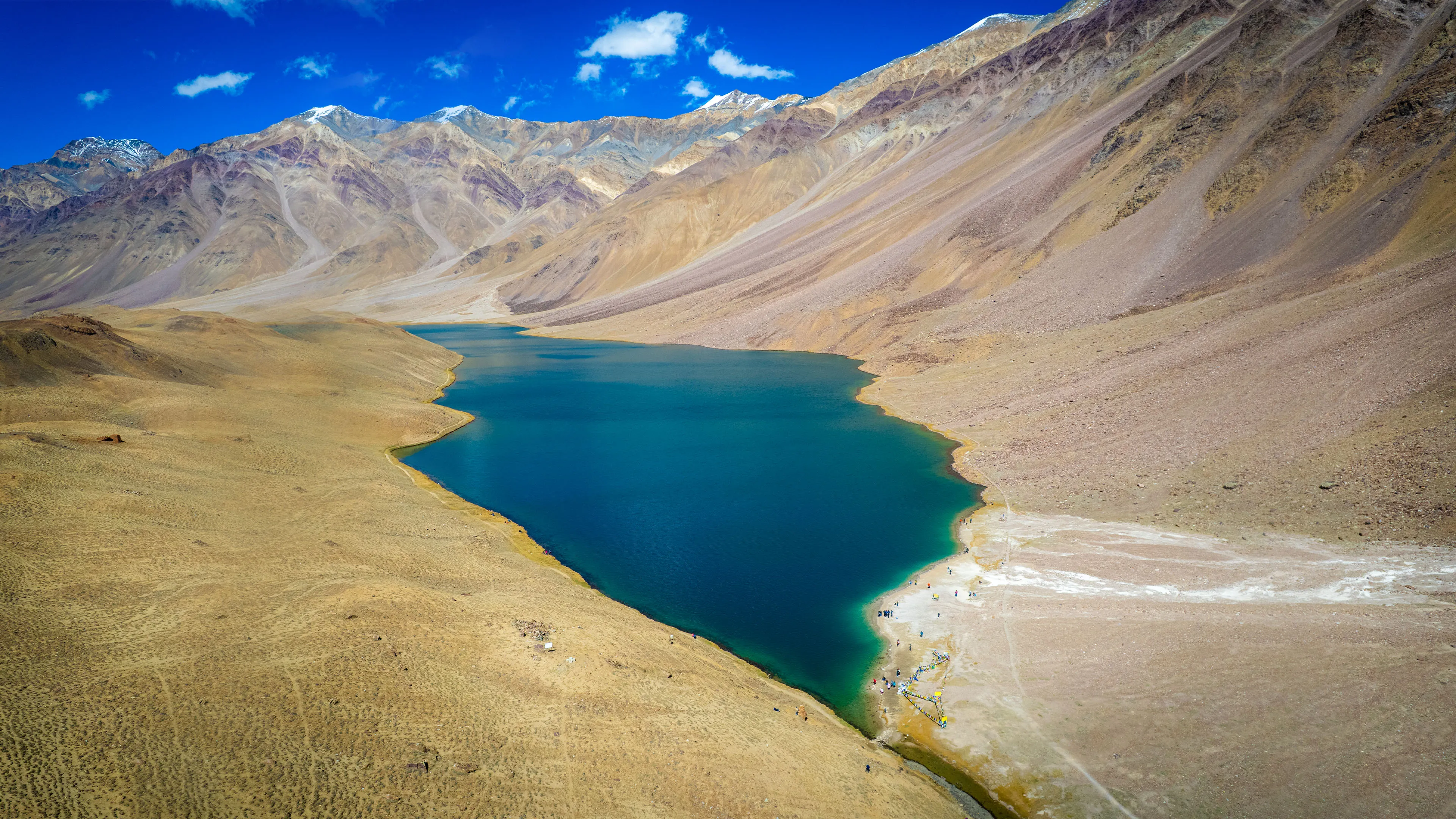
Most seasonal camps at Chandratal Lake close by the second week of October because water lines freeze overnight. You can still visit Chandratal on a day trip from Kaza or Losar in early October, provided road conditions remain clear.
How do you prevent altitude sickness (AMS) in Spiti Valley?
The best approach is gradual acclimatization. Entering via Shimla allows your body to adjust slowly over multiple days. Drink 3 to 4 liters of water each day, avoid alcohol and smoking, and keep physical exertion low during your first 24 hours in Kaza.
Are hotels and running water available in Kaza during October?
Main hotels and local homestays operate normally through October. However, because night temperatures drop below freezing, outdoor pipes can freeze in the morning. Homestays and hotels handle this by providing buckets of hot water for daily use.
Can personal hatchbacks or sedans make the trip in October?
The road from Shimla through Kinnaur to Kaza is mostly paved and can be handled by hatchbacks with decent ground clearance. However, the stretch between Gramphu, Batal, and Losar on the Manali side features loose river rocks and unpaved terrain. An SUV is strongly recommended if you plan to cross Kunzum Pass.
Which mobile network works best in Spiti Valley?
Airtel and BSNL postpaid or prepaid SIM cards offer the most consistent network coverage in Kaza, Tabo, and along parts of the highway. Expect patchy or non-existent coverage in higher villages like Langza, Hikkim, and Mudh.
Can we hire Cab in Spiti Valley in October?
Yes you can choose himchal cab service for luxury and confortable trip.
References
-
Himachal Pradesh Tourism Development Corporation (HPTDC): Official Guide to Spiti Valley, Monasteries, and Altitudes
-
District Administration Lahaul and Spiti (Government of Himachal Pradesh): Official Road and Pass Information
-
The Tribune India: Himalayan Passes and Winter Road Closures in Himachal Pradesh