Kullu Manali Weather Guide: May, June, & July 2026 Edition
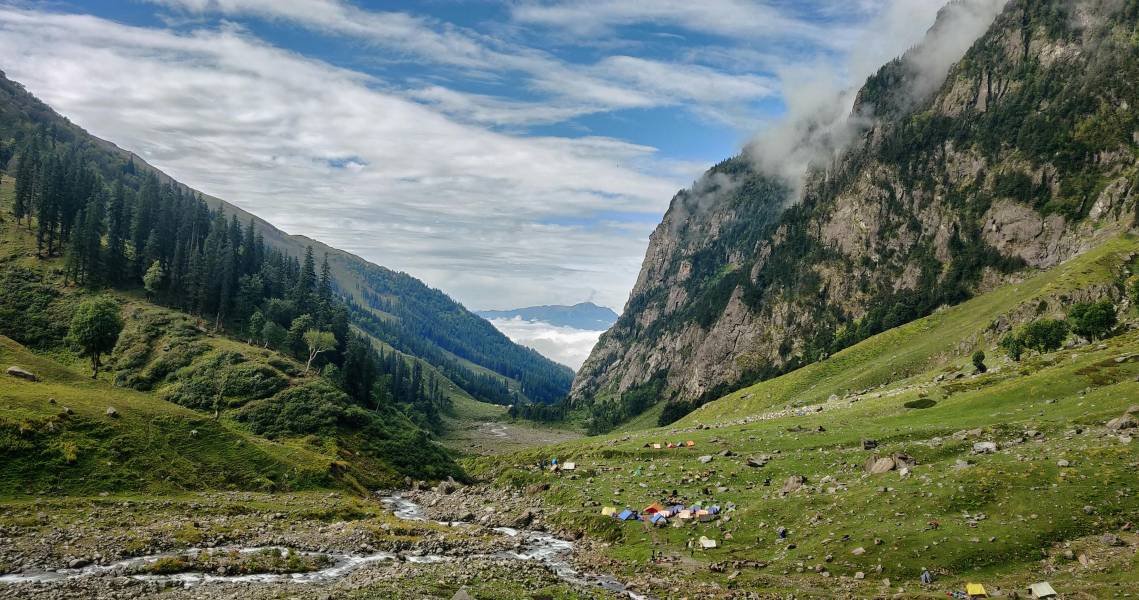
Trading the punishing 45°C brick-kiln heat of the North Indian plains for a week in the mountains seems like a no-brainer. But treating the entire mountain summer as one long, sunny vacation is a fast way to ruin a trip.
Between May and July, the climate in Kullu and Manali goes through three completely distinct phases: the crisp spring thaw, the intense summer traffic peak, and the sudden arrival of the mountain monsoon.
If you are currently browsing a himachal pradesh tour package from delhi, do not just pack shorts and hope for the best. Here is exactly what the weather looks like on the ground over the next 90 days.
1. May - The High-Altitude Thermal Gap

Right now, May is serving up gorgeous daytime highs between 15°C and 25°C. Walking around the apple orchards or hitting the cafes in Old Manali feels absolute bliss.
But do not let that late-afternoon sun trick you. The moment the sun dips behind the Dhauladhar peaks, temperatures sink down to a crisp 5°C to 10°C.
+--------------------+------------------------+------------------------+
| Month (2026)       | Average Daytime High   | Average Nighttime Low  |
+--------------------+------------------------+------------------------+
| May                | 22°C (Clear/Crisp)     | 6°C (Chilly/Windy)     |
| June               | 26°C (Warm/Crowded)    | 12°C (Mild/Pleasant)   |
| July               | 20°C (Humid/Monsoon)   | 15°C (Wet/Chilly)      |
+--------------------+------------------------+------------------------+
-
The Rohtang Factor: If you plan to head up to Rohtang Pass or through the Atal Tunnel toward Sissu, wrap up. At 3,900 meters, it is a completely different weather system. You will face sub-zero winds and patchy snow.
-
The Gear: Heavy denim, a solid windbreaker, and layered woolens for the kids are mandatory.
2. June - The Peak Heat and the Traffic Gridlock

June is the warmest month in the valley, with temperatures pushing up to 28°C on clear afternoons. It is still a massive relief from the plains, but it is not freezing.
The Highway Reality: June is when school vacations hit. Thousands of cars from Delhi and Punjab choke the narrow lanes of the Beas Valley.
Because of the massive vehicular density and asphalt heating, central Manali can feel surprisingly warm during midday. I’ve personally found that while travel forums suggest staying right near the Mall Road for convenience, in my experience, families who book stays up in quieter, higher pockets like Jagatsukh or Nasogi get a much cooler, authentic mountain breeze.
The UV levels in June are extreme (spiking up to 11). Pack an SPF 50 sunscreen and UV400 sunglasses, especially if you are spending time near open water or high-altitude snow patches.
3. July - The Monsoon Shift and The Ground Truth

By early July, the pre-monsoon moisture breaks into full-blown Himalayan rains. The temperature drops back down to a humid, damp 15°C to 20°C.
This is where standard travel advice splits from reality.
                       [ July Monsoon Breakdown ]
                                   |
         +-------------------------+-------------------------+
         |                                                   |
  [ The Romantic View ]                             [ The Ground Reality ]
  - Lush, emerald green hills                       - Heavy cloudburst risks
  - Mist rolling through pine trees                 - Landslips on NH-3
  - Empty trails & budget hotel rates               - Sudden 4-hour road closures
July transforms the landscape into a stunning, mist-shrouded emerald green. However, the region receives massive rainfall (often exceeding 200 mm over the month).
If you are planning a family trip in July, you must build flexibility into your calendar. Landslides along the vulnerable stretches between Mandi and Aut are a common geographical reality. A sudden downpour can shut down a highway sector for several hours while the Border Roads Organisation clears the debris.
The Survival Checklist for Your '26 Summer Trip
-
The Cash Rule: Do not rely entirely on your phone apps. When summer storms hit or thousands of tourists overload local cellular towers simultaneously, the digital network crashes. Keep a physical reserve of hard cash for fuel and meals.
-
Rain Proofing: From mid-June onward, a compact umbrella and a waterproof jacket per family member are non-negotiable.
-
Buffer Days: If you are traveling in July, do not book a tight flight or train back from Delhi right after your mountain descent. Give yourself a 24-hour buffer cushion in case of highway delays.