Self-Drive vs. Hired Driver - What should be your choice on your kinnaur trip
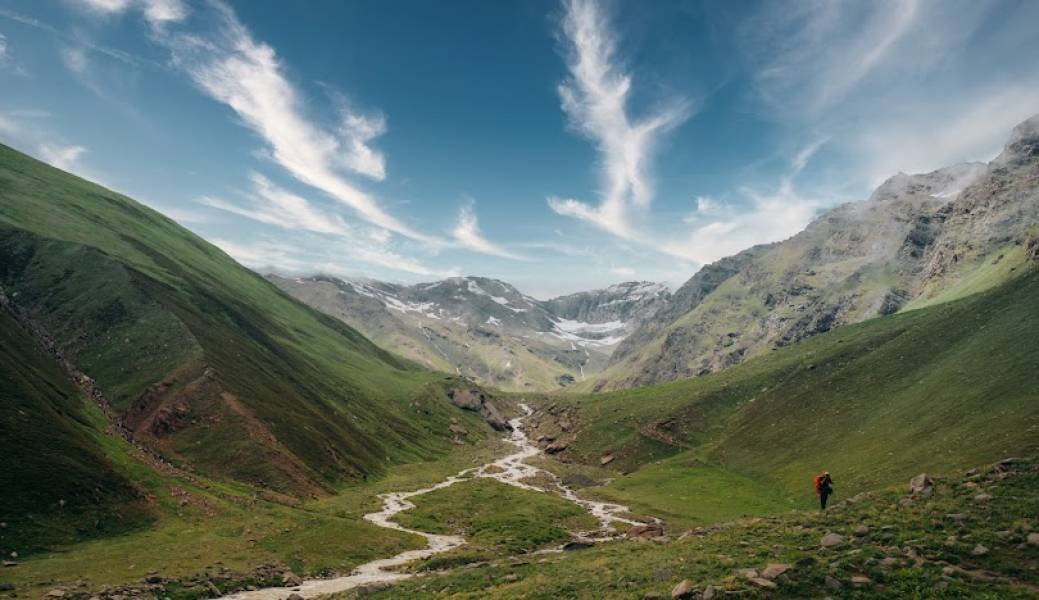
Kinnaur is not just a destination; it is a geological marvel. From the terrifyingly beautiful overhanging cliffs of the Hindustan-Tibet Road (NH-5) to the serene apple orchards of Sangla, the journey is the experience. However, the logistics of how you move through this vertical landscape can make or break your trip.
The debate between taking the wheel yourself or opting for a himachal cab service is about more than just comfort—it’s about safety, stamina, and your ability to actually see the mountains you’ve traveled so far to visit.
1. The Challenge: Why Kinnaur is Different
Unlike the smooth highways of the plains, Kinnaur’s roads are "cut" into the mountains. In areas like Tranda Dhank, the road feels like a shelf with a thousand-foot drop into the Satluj River.
-
Self-Drive: Requires nerves of steel and experience with "mountain engine braking." You aren't just driving; you are constantly calculating road width and watching for falling stones (shooting stones).
-
Hired Driver: Local drivers have "mountain muscle memory." They know which bends require a double-honk and where the road is likely to give way during a sudden drizzle.
2. The Sightseeing Paradox
Kinnaur is famous for its "Gateway to Heaven" views.
-
The Self-Drive Struggle: As a driver, your eyes must be 100% glued to the tarmac. You will miss the changing hues of the Kinner Kailash range because a momentary glance at the peaks could result in a tire slipping off the narrow shoulder.
-
The Hired Advantage: With a professional at the wheel, your kalpa kinnaur tour becomes a visual feast. You can photograph the suicide point in Kalpa or the Baspa River winding through Sangla without the stress of navigating the hairpin bends yourself.
3. Vehicle Logistics and Maintenance
The terrain in Kinnaur is brutal on vehicles. The stretch between Karcham and Chitkul, or the climb to Nako, involves high-gradient slopes and rocky patches.
-
Self-Drive Risks: If your car breaks down near the Khab bridge, finding a mechanic who understands modern electronic sensors is nearly impossible. You also have to manage the logistics of "High Altitude Sickness" for your vehicle—engines lose power as oxygen thins.
-
Hired Driver Reliability: Most local services use rugged SUVs like the Bolero, Scorpio, or Innova. These drivers are often amateur mechanics themselves. If a tire needs changing on a 30-degree incline, they’ll have it done before you’ve finished your tea.
4. Flexibility vs. Fatigue
-
Self-Drive: Offers total privacy. If you want to stop at a random waterfall for two hours, you can. However, after 6 hours of high-concentration driving, most self-drivers are too exhausted to explore the villages once they reach their hotel.
-
Hired Driver: While you share your space with a stranger, local drivers often act as informal guides. They know the best dhabas for thukpa and which hidden trails lead to the best views of the apple blossoms.
5. The "Inner Line" & Local Knowledge
As you move toward Upper Kinnaur, logistics become complicated.
-
The Permit Factor: Approaching the border areas near Nako requires permits for foreigners and specific check-post entries for everyone. A local himachal cab service is well-versed in these formalities, often speeding up the process at the Reckong Peo or Jhangi check-posts.
The Verdict: Which Should You Choose?
| Feature | Self-Drive | Hired Driver |
| Safety | High risk for beginners | Highest (Local expertise) |
| Cost | Cheaper (if using own car) | Moderate to High |
| Stress Level | High (constant vigilance) | Zero (relax and enjoy) |
| Reliability | Depends on your car | High (rugged local fleet) |
Choose Self-Drive IF: You are a seasoned Himalayan driver, you own a high-clearance 4x4, and you find the "challenge" of the road more rewarding than the destination.
Choose a Hired Driver IF: This is your first kalpa kinnaur tour, you want to prioritize photography and relaxation, or you are traveling with family. The peace of mind knowing that an expert is handling the "World’s Most Treacherous Roads" is worth every penny.
Pro Tip: If you hire a driver, treat them like a travel partner. Their knowledge of the road's "mood"—from impending landslides to the best time to cross a water stream—is the best insurance policy you can have in Kinnaur.