Dhauladhar Range – Snow Prediction in January 2026
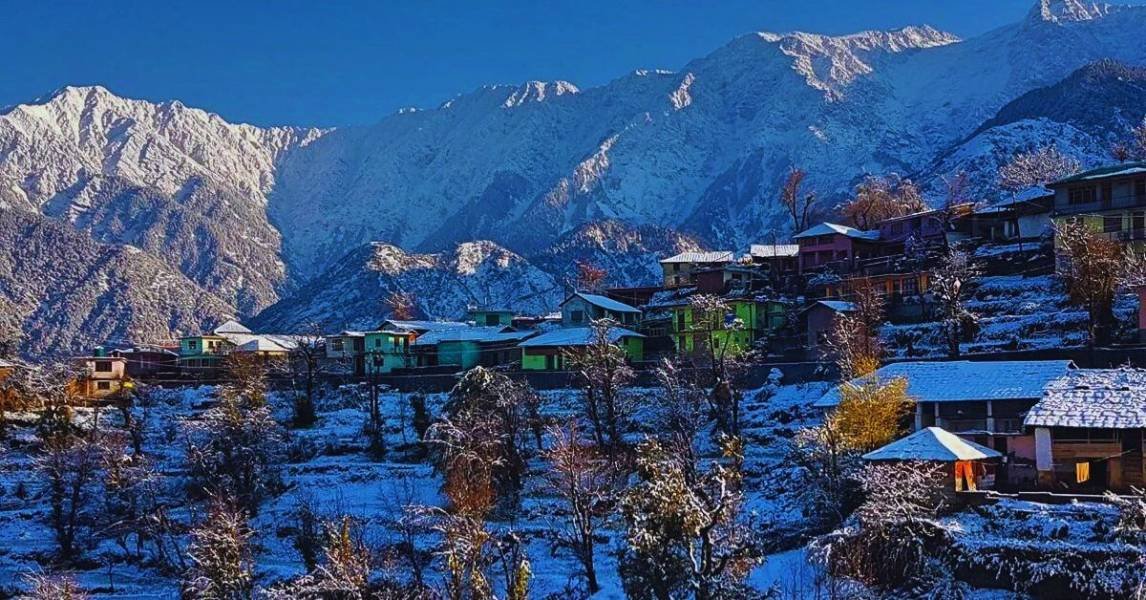
The Dhauladhar Range in Himachal Pradesh is one of the most dramatic Himalayan landscapes, rising sharply from the Kangra Valley and offering breathtaking winter views. January transforms this mountain range into a snow‑laden paradise, attracting trekkers, photographers, and travellers from across India.
As winter deepens in January 2026, weather conditions across the Western Himalayas suggest a mix of cold waves, intermittent snowfall, and clear post‑snow days — making it an exciting time to explore or plan a Dhauladhar trip.
🌨️ January 2026 Weather Overview in the Dhauladhar Region
January is typically the coldest month in the Dhauladhar Range, and 2026 is expected to follow this trend. Persistent cold air from the north is keeping temperatures low, especially at night and at higher elevations.
Key weather highlights for January 2026:
-
Prolonged cold wave conditions across Himachal Pradesh
-
Below‑average night temperatures in mid and upper hills
-
Mostly dry spells with short snowfall events triggered by western disturbances
-
Clear skies and bright sunshine after snowfall, improving visibility
While heavy, continuous snowfall is unlikely throughout the month, short snow spells are expected to refresh the landscape.
🏔️ Dhauladhar Snow Prediction – January 2026
Snowfall in the Dhauladhar Range depends largely on altitude and the strength of western disturbances.
❄️ Expected Snow Zones
-
Above 2,500–3,000 metres: High likelihood of snowfall during the first half of January
-
Upper Dhauladhar ridges & trekking routes: Consistent snow cover after each weather system
-
Lower hill towns: Occasional light snowfall or sleet, more common on surrounding slopes than in town centres
🌤️ Snowfall Pattern This Season
January 2026 is expected to see:
-
Light to moderate snowfall events rather than heavy snowstorms
-
Snow accumulation mainly at higher altitudes
-
Quick melting at lower elevations during sunny periods
This pattern makes the region visually stunning while still remaining accessible for most travellers.
🌡️ Temperature Expectations
Temperatures across the Dhauladhar region remain cold but manageable with proper preparation:
-
Daytime temperatures: Approximately 5°C to 12°C in mid‑hill areas
-
Night temperatures: Often close to or below freezing
-
High altitudes: Sub‑zero temperatures throughout the day
Wind chill at higher elevations can significantly reduce perceived temperatures.
🧭 Plan Dhauladhar Trip – What You Should Know
If you are planning to visit the Dhauladhar Range in January 2026, preparation is key. Winter travel here is rewarding, but conditions can be challenging.
📍 Best Time to Plan Dhauladhar Trip in January
-
Early to mid‑January: Best chance to witness fresh snowfall at higher elevations
-
Post‑snow days: Ideal for photography, scenic views, and short hikes
-
Late January: Generally drier, with stable weather and cold nights
🥾 Trekking & Outdoor Activities
-
Popular winter routes like Triund often receive snow and may require caution
-
Snow and ice can make trails slippery; trekking gear is essential
-
Beginners should avoid high‑altitude treks during active snowfall
🚗 Road & Travel Conditions
-
Roads to lower areas usually remain open
-
Early mornings may see frost or icy patches
-
Always keep buffer days in your itinerary for weather changes
🎒 What to Pack for a Dhauladhar Winter Trip
When you plan a Dhauladhar trip in January, packing wisely can make all the difference:
-
Thermal innerwear and insulated jackets
-
Waterproof shoes with good grip
-
Gloves, woollen caps, and scarves
-
Sunglasses and sunscreen (snow glare can be strong)
-
Basic medicines and personal essentials
📸 Why January Is Special in the Dhauladhar Range
Despite the cold, January offers unique advantages:
-
Snow‑covered peaks with dramatic contrast
-
Clear skies after snowfall
-
Fewer crowds compared to peak summer months
-
A peaceful, raw Himalayan winter experience
🏁 Final Outlook for January 2026
January 2026 presents a promising window to experience the snowy beauty of the Dhauladhar Range, especially at higher elevations. While snowfall is expected to be moderate rather than extreme, conditions remain favourable for travellers who plan carefully.
If your goal is snow views, mountain photography, or a quiet Himalayan escape, now is a great time to plan a Dhauladhar trip — just stay updated on local weather conditions and travel responsibly.