Top 6 Monasteries in Spiti Valley - A 2026 Travel Guide
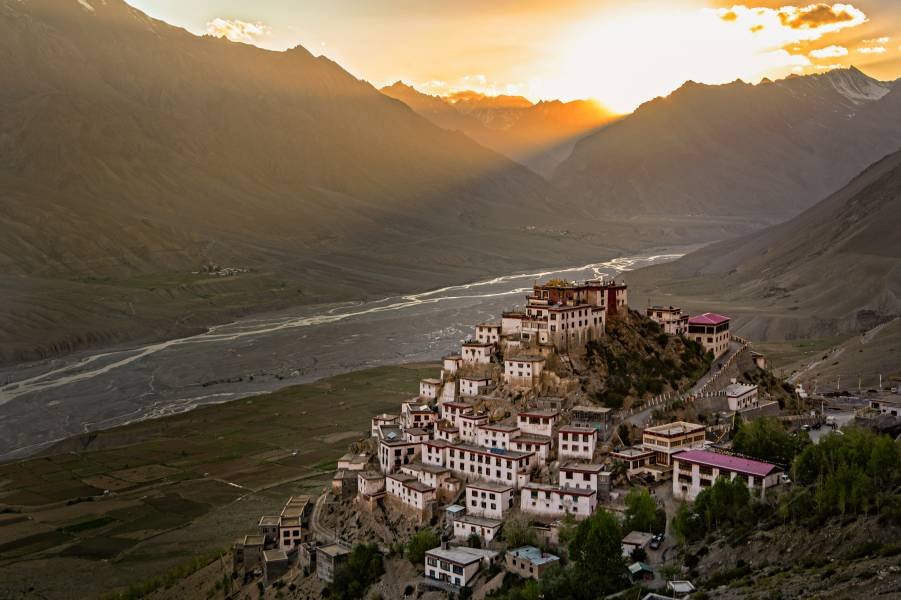
1. Key (Ki) Monastery
The most iconic image of Spiti is often the Key Monastery. Resembling a tiered cake or a medieval fortress, it sits at 4,166 meters and is the largest gompa in the valley.
-
Why Visit: It’s a maze of dark corridors, narrow steps, and ancient prayer rooms. It serves as a training center for hundreds of monks.
-
Don't Miss: The collection of ancient Thangkas (religious paintings) and the chance to sip herbal tea with the monks in their soot-covered kitchen.
-
Pro Tip: If you visit in June, you might catch the Cham Festival, featuring masked ritual dances.

2. Tabo Monastery
Founded in 996 AD, Tabo is a UNESCO World Heritage site and the oldest continuously functioning Buddhist enclave in India. Unlike Key, which is perched on a hill, Tabo is located on flat ground and looks like a group of mud-brick huts.
-
The Vibe: Stepping inside is like entering a time capsule. The walls are covered in 1,000-year-old murals and stucco sculptures that are incredibly well-preserved.
-
Highlight: The Main Temple (Tsug Lhakhang), which houses life-sized clay statues of the 33 Bodhisattvas.
-
Note: No photography is allowed inside the ancient temples to protect the murals.

3. Dhankar Monastery
Dhankar literally means "fort on a cliff." This monastery is built on a 300-meter-high spur overlooking the confluence of the Spiti and Pin Rivers.
-
The Experience: It is officially one of the world's most endangered sites. The way it clings to the crumbling clay peaks is both terrifying and beautiful.
-
The Trek: After visiting the gompa, take the 45-minute uphill hike to Dhankar Lake for a stunning reflection of the surrounding peaks.

4. Tangyud Monastery (Komic)
Located in Komic, one of the highest motorable villages in the world (4,520 meters), Tangyud looks like a fortified castle guarding the high-altitude plains.
-
Unique Factor: It is one of the few Sakya sect monasteries in Spiti. The architecture is stark and powerful, standing against the backdrop of the snow-capped mountains.
-
Fun Fact: Locals believe the monastery was built to protect the village from wild animals and harsh spirits.
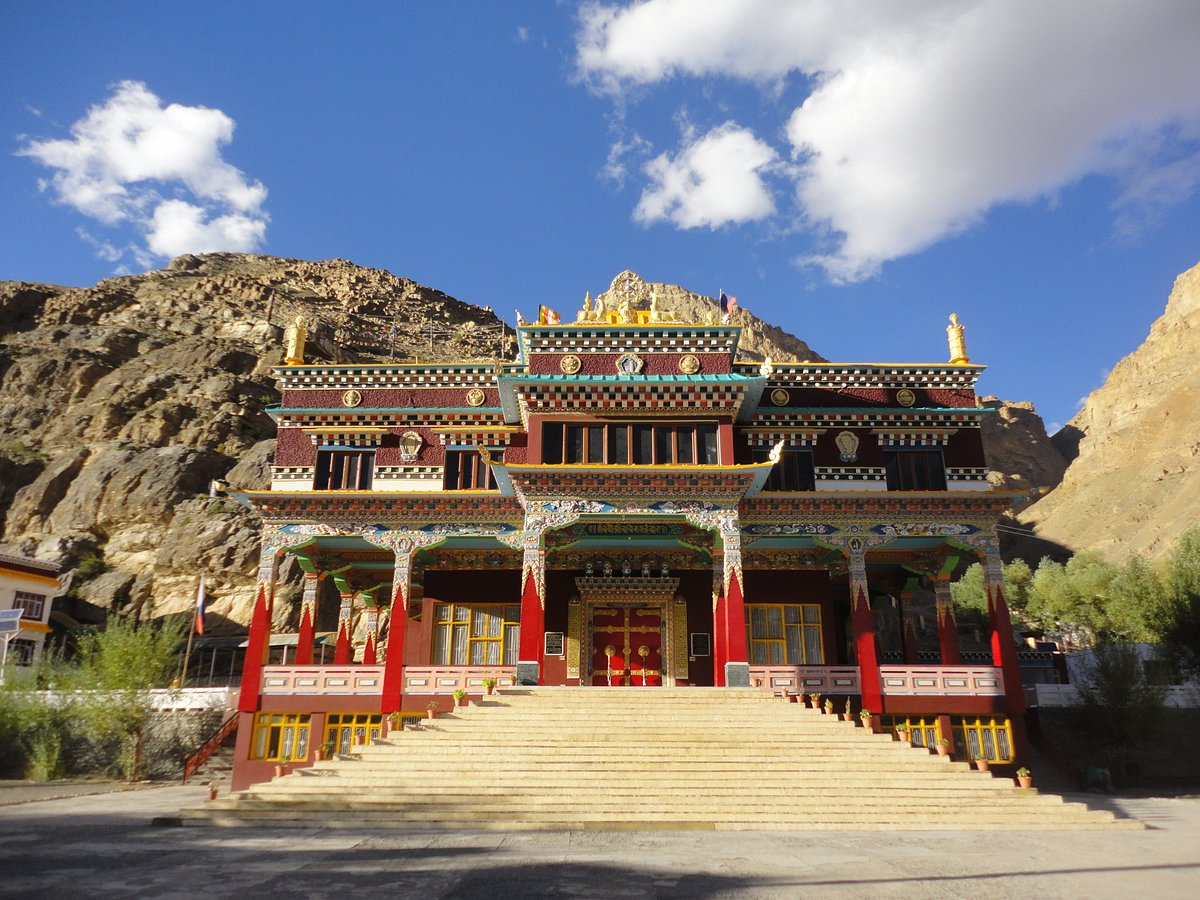
5. Gue Monastery
Gue is a tiny village near the Tibet border, famous for one thing: a 500-year-old naturally mummified monk.
-
The Legend: The mummy is believed to be that of Sangha Tenzin. He reportedly started mummifying himself while alive through a process of deep meditation to save the village from a plague of scorpions.
-
Visuals: Unlike Egyptian mummies, this one is not wrapped; you can see the skin, teeth, and even hair, preserved by the cold, dry air.
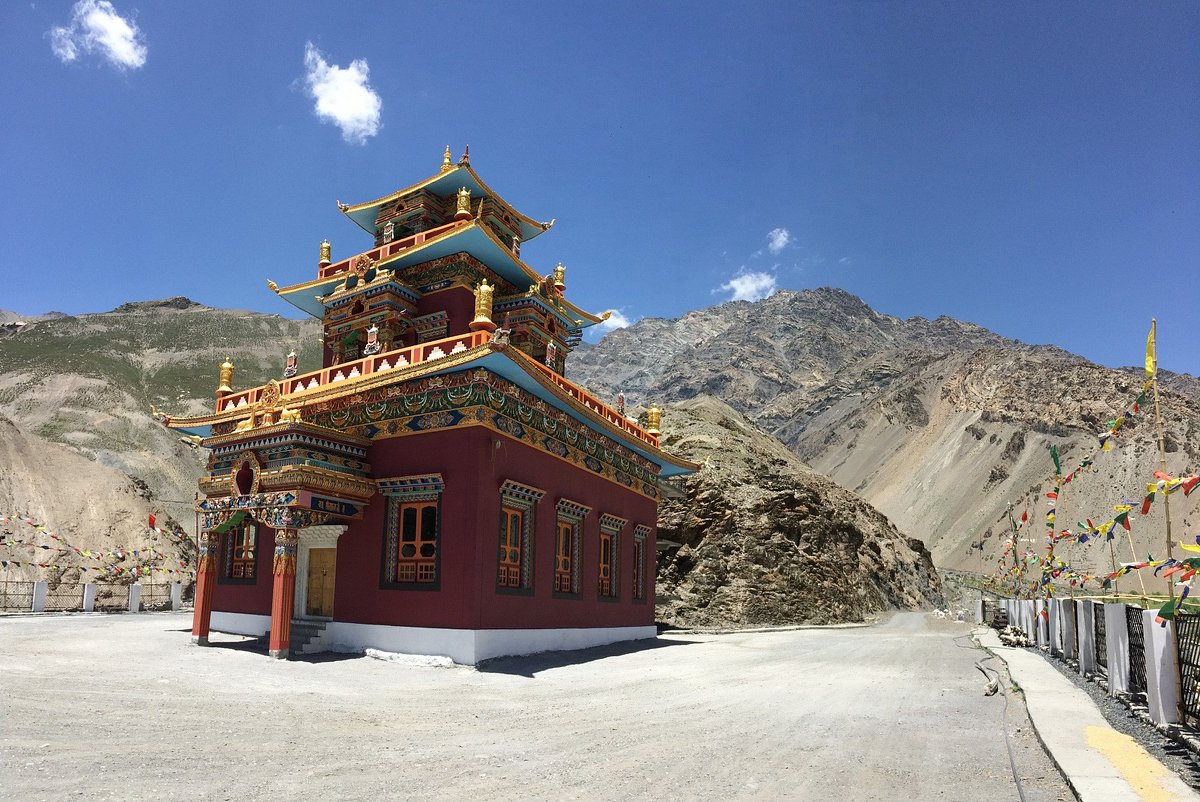
6. Kungri Monastery
Located in the lush Pin Valley, Kungri is the second oldest monastery in the region and follows the Nyingmapa sect—the oldest school of Tibetan Buddhism.
-
Why it’s different: It is known for its tantric traditions and unique silk paintings. The atmosphere here is noticeably different from the Gelugpa (Yellow Hat) monasteries like Key or Tabo.

Experience Spiti Like Never Before with Himachal Tourism Travel
Planning a spiti trip to the remote corners of winter desert is no small feat, but at Himachal Tourism Travel, we make it seamless and unforgettable. We specialize in curating authentic high-altitude adventures that go beyond the typical tourist trails. From handpicked homestays that offer a glimpse into local life to expert-led tours of these ancient monasteries, our team ensures every detail is managed with care. Whether you are looking for a rugged backpacking expedition or a comfortable cultural retreat, we host the best trips by prioritizing your safety, comfort, and a deep connection with the soulful culture of the Himalayas. Let us take you to the "Middle Land" for an experience that stays with you long after you’ve returned home.